Working from home offers comfort and flexibility, but it also comes with challenges. Recognizing early signs of burnout and taking proactive steps to manage them can help maintain your well-being and productivity.
Recognize Burnout Symptoms
Spotting burnout early is crucial when working from home. Here are key symptoms to watch for:
Decreased Productivity
If you're struggling to finish tasks that were once easy, it might be more than just a bad day. When productivity drops noticeably, take it as a warning sign.
Feelings of Exhaustion
Exhaustion is more than just feeling tired. It's a constant weariness that doesn't go away after a good night's sleep. Keep an eye on your energy levels throughout the day.
Changes in Sleep Patterns
Trouble falling asleep or difficulty waking up can both indicate burnout. Pay attention to shifts in your sleep cycle.
Increased Irritability
If you find yourself snapping at minor annoyances more often, it could be a sign that your emotional reserves are running low.
Trouble Focusing
When you're constantly distracted and find it hard to stick to a single task, it may be a sign your brain is overwhelmed.
Physical Symptoms
Persistent headaches, stomach issues, or heart palpitations can be physical manifestations of burnout. Listen to your body's signals.
Isolation and Emotional Distance
Feeling disconnected from your team or avoiding social interactions can amplify burnout. If you start thinking, Who cares?
about your work, that's a warning sign.
Loss of Motivation
When enthusiasm for your job dries up and starting any task feels difficult, your motivation is likely suffering.
Reduced Work Performance
If you're working longer hours yet finishing less, or if the quality of your work is declining, it's time to step back and recharge.
Recognizing these signs early can empower you to take action before burnout becomes severe.

Set Boundaries
Setting boundaries between work and personal life is key to preventing burnout when working from home:
- Establish Clear Work Hours: Set specific start and end times for your workday and stick to them consistently.
- Turn Off Work-Related Notifications After Hours: Disable email and work app notifications when you're off the clock to give yourself time to decompress.
- Create a Dedicated Workspace: Set up a designated area for work to help your brain transition between work and personal time.
- Communicate Boundaries: Let family members and colleagues know your work hours and when you're unavailable.
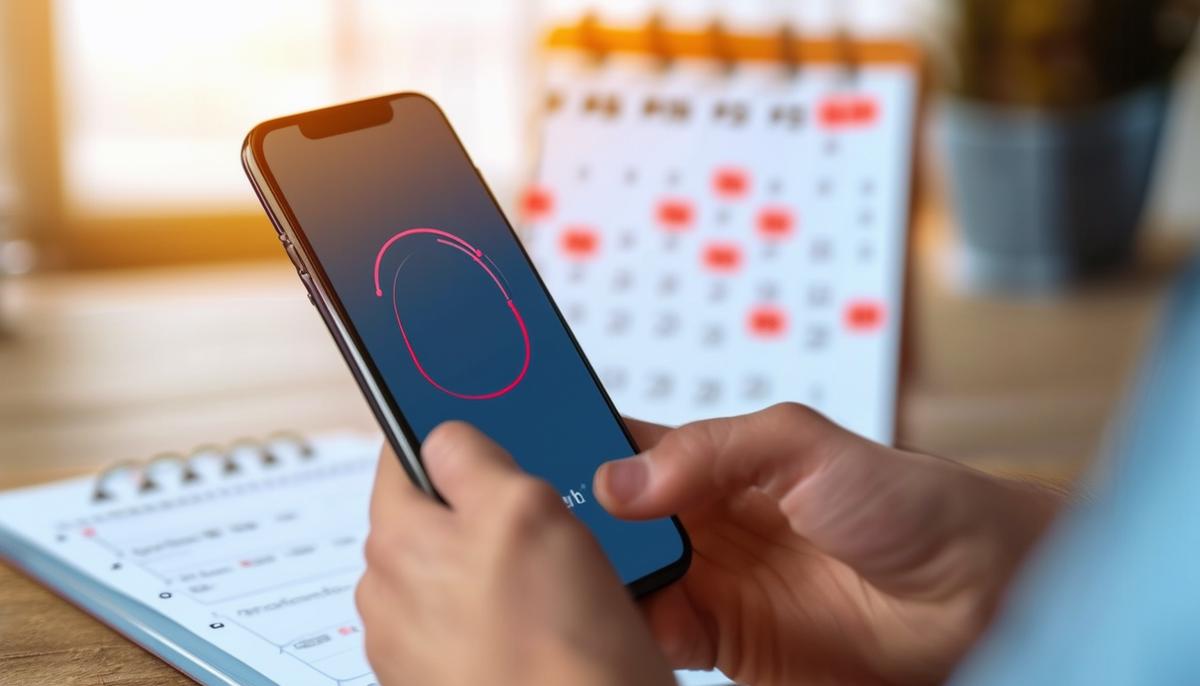
- Utilize Technology: Use calendar apps to block out your "do not disturb" hours and focus modes on your devices to limit distractions.
- Practice Saying No: Learn to decline additional work or late-night meetings that might overextend you.
By creating and maintaining these boundaries, you can protect your personal time, reduce stress, and prevent burnout. Remember, it's about creating a sustainable work environment where you can thrive both professionally and personally.
Take Regular Breaks
Incorporating regular breaks into your workday is essential for maintaining physical and mental health. Studies have shown that taking regular breaks can improve focus and productivity1.
| Break Strategy | Description |
|---|---|
| Schedule Short Breaks | Set a timer to remind yourself to take a 5-10 minute break every hour or so. |
| Move Around | Use break time to stretch, take a short walk, or do some deep breathing exercises. |
| Use Break Apps | Try Pomodoro Timer apps to automate break reminders. |
| Change Your Focus | Do something different from work during breaks to give your brain a chance to reset. |
| Make Breaks Relaxing | Step away from screens and choose activities you enjoy, like sipping tea or listening to music. |
| Incorporate Social Time | Connect with a friend or colleague for a brief chat to boost your mood and feel less isolated. |
| Combine Breaks with Tasks | If you're busy, try stretching while waiting for coffee or taking a call while walking. |
Don't Feel Guilty: Remember that breaks are vital for maintaining productivity and health. By making breaks a regular part of your routine, you'll support your overall well-being and enhance both your productivity and quality of life.

Change Your Environment
A shift in surroundings can refresh your mind and boost motivation. Try working from different rooms in the house or even outside if possible. Simple adjustments like reorganizing your workspace or adding plants can also make a significant difference.
Changing your environment doesn't require an extravagant setup. Just relocating to another room or even another spot in the same room can keep things fresh. If the weather's nice, working outside can be invigorating. The natural light and fresh air can improve your mood and productivity.
Small but Meaningful Changes to Your Primary Workspace:
- Reorganize your desk or declutter
- Add new accessories like a lamp or decorative items
- Bring in some greenery with low-maintenance plants
- Rearrange furniture or move your desk closer to a window
- Personalize with photos, artwork, or motivational quotes
- Ensure good lighting to reduce fatigue and improve focus
- Create a playlist or use background noise apps to enhance concentration
Remember, even small changes can have a considerable impact on your work-from-home experience. By refreshing your workspace, you can maintain motivation and productivity while breaking the monotony of your routine.

Prioritize Self-Care
Allocating time for self-care activities is critical for maintaining a healthy work-life balance, especially when working from home. Here are some ways to incorporate self-care into your routine:
- Exercise Regularly: Aim for at least 30 minutes of physical activity daily. This can be a brisk walk, bike ride, or home yoga session. Schedule exercise like you would important meetings.
- Eat Healthy: Take advantage of working from home by preparing balanced, nutritious meals. Stock your pantry with wholesome options and start with simple, healthy recipes.
- Get Enough Sleep: Aim for 7-9 hours of sleep per night and maintain a consistent sleep schedule. Establish a bedtime routine that promotes relaxation and create a sleep-friendly environment.
- Practice Mindfulness: Start with a few minutes of mindfulness or meditation daily to manage stress and improve mental clarity. Use apps or online resources for guidance if needed.
- Schedule Downtime: Allow yourself periods of uninterrupted relaxation to recharge. Whether it's reading, pursuing a hobby, or simply lounging, treat these moments as important as work tasks.
- Hydrate Consistently: Keep a water bottle by your workspace and set reminders to drink regularly. Proper hydration aids in maintaining energy levels and improving concentration.
- Embrace Flexibility: Be willing to adjust your self-care routine as needed. The goal is to create sustainable practices that support your well-being without becoming a burden.
By prioritizing self-care, you create a solid foundation for a balanced and productive work-from-home life. Remember, tending to your physical and mental health is essential to perform your best.

Limit Technology Use
Managing your tech habits can enhance your work-life balance and help prevent burnout. Here are some strategies to effectively limit technology use:
- Set your phone to 'do not disturb' mode after work hours to create a virtual boundary between work and personal time.
- Establish a firm cut-off time for checking work emails and stick to it.
- Create a tech-free buffer before bedtime. Put away electronic devices at least an hour before sleep to improve your ability to relax and sleep quality.
- Establish a bedtime routine that doesn't involve technology. Try reading a book, meditating, or light stretching instead.
- Create a designated "tech parking area" where you leave your devices at the end of the workday.
- Schedule regular "digital detox" periods, such as screen-free weekend afternoons or evenings.
"Balancing technology use is about using it more mindfully, not eliminating it entirely."
By incorporating these strategies, you can create intentional breaks from the digital world, reducing stress and enhancing your overall well-being. Studies have shown that excessive screen time can lead to increased stress levels and poor sleep quality1. By limiting technology use, particularly before bedtime, you can improve your sleep patterns and overall mental health2.

Create a Daily Routine
A daily routine is a powerful tool for maintaining balance, productivity, and overall well-being when working from home. Here's how you can develop a routine that supports your work-life harmony:
- Define the core elements of your day. Identify your work hours and establish a start and end time. Consistency is key, so try to maintain a regular schedule that aligns with your natural rhythms. Plan your most challenging tasks when you're at your peak energy levels.
- Incorporate breaks strategically throughout your day. Schedule breaks at regular intervals to recharge and improve efficiency. Aim for a mid-morning break, a lunch break, and a mid-afternoon break. Consider using techniques like the Pomodoro Method to keep your day structured.
- Include personal activities that bring you joy and relaxation. Integrate time for exercise, hobbies, and social interactions into your routine. A morning yoga session or a post-work walk can help you maintain balance.
- Use a daily planner or digital tools to map out your tasks and appointments. Break your work tasks into manageable chunks and prioritize them. This approach prevents feeling overwhelmed and ensures steady progress.
- Include buffer time between meetings and tasks. These short intervals can prevent schedule congestion and give you a moment to breathe.
- End your workday with a specific routine to signal the shift from professional to personal time. This could involve organizing your desk, reviewing your accomplishments, or planning tomorrow's tasks.
- Be flexible and adaptable with your routine. Be prepared to adjust your schedule when necessary to accommodate unexpected events or shifts in priorities.
- Consider weekly planning sessions to get a bird's-eye view of your upcoming commitments. This proactive approach helps you anticipate busy periods and allocate your time wisely.
Creating a balanced daily routine allows you to make the most of your work-from-home experience, supporting both your career and personal life. Take the time to design a routine that works best for you and stick to it.
Social Connections
Staying connected is vital for combating feelings of isolation when working from home. Here are some ways to maintain strong social connections:
- Have virtual coffee breaks with colleagues. These casual interactions can replicate spontaneous office conversations and keep you engaged with your team on a personal level.
- Use video calls for more personal interactions. They offer visual and auditory cues that enrich communication, helping you gauge emotions and responses better than text.
- Set up virtual social gatherings outside of work hours. Consider a Friday evening happy hour, book club, or game night to foster deeper connections with coworkers.
- Stay connected with friends and family through regular video calls. Schedule weekly or bi-weekly sessions to catch up and share experiences.
- Join online communities or professional groups related to your field or interests. These platforms provide opportunities to interact with like-minded individuals and stimulate your interests beyond work.
- Use social media mindfully to maintain connections. Be proactive in interacting with friends and family by commenting on posts, sharing updates, and engaging in meaningful conversations.
- Consider sending handwritten letters or postcards. While digital means are prevalent, receiving a physical letter can be a delightful surprise.
- Use collaborative tools like Google Docs or shared boards for both work and personal projects. These platforms can serve as interactive touchpoints with colleagues.
- Don't overlook regular phone calls. Sometimes, the familiarity and simplicity of a voice call can be incredibly comforting.
By integrating these practices into your routine, you'll create a balanced work-from-home experience that keeps isolation at bay and strengthens your bonds with the people who matter most.

Seek Professional Help
If you find managing burnout symptoms challenging, it might be beneficial to seek assistance from a mental health professional. Therapists can provide strategies and support to help you handle work-related stress and burnout.
Seeking professional help is a sign of strength. It's acknowledging that you might need some guidance to regain your balance.
Therapists offer a safe space to explore what's contributing to your burnout, helping you untangle the web of stressors. One of the primary benefits of therapy is the personalized strategies you'll receive. Therapists provide techniques that fit your specific situation, which might include:
- Cognitive-behavioral techniques
- Mindfulness exercises
- Practical tips on time management
- Boundary setting strategies
Engaging in therapy also provides accountability. Regular sessions mean you have someone tracking your progress, encouraging you, and providing adjustments to your strategies as needed.
Therapy can help you build resilience, making you better equipped to handle future stressors. It's not just about addressing current issues but also preparing you for potential challenges down the line.
If therapy isn't directly accessible, consider exploring alternatives like online therapy platforms or mental health apps. Many of these options offer convenient, affordable access to licensed professionals from the comfort of your home.
Remember, reaching out for help isn't about admitting defeat; it's about investing in your well-being and long-term success. If your self-care and personal strategies aren't quite cutting it, don't hesitate to seek professional guidance.
Plan Time Off
Taking vacation days is essential for recharging and maintaining overall well-being. Whether you're planning a staycation or a getaway, time off can significantly impact your mental and physical health.
Schedule your time off in advance to give yourself something to look forward to and organize your work for a smooth transition. Use a calendar to mark your vacation days and inform your team about your absence.
Staycation Ideas:
- Explore a new hiking trail
- Indulge in a hobby
- Relax at home
If you choose a getaway, select a location that allows you to unwind fully. Whether it's a beach, a cabin in the woods, or a new city, the change in scenery can benefit your mental health.
"Taking breaks is necessary for sustained productivity and mental health. It's your right and a crucial aspect of self-care."
During your time off:
- Disconnect from work
- Turn off work emails
- Set an out-of-office reply
- Avoid checking in with the office
Focus on activities that you find relaxing and enjoyable, such as spending time with loved ones, pursuing hobbies, or trying new experiences.
Upon returning to work, use the new perspectives gained during your break to approach tasks with renewed energy and creativity. Notice how even simple tasks might seem less challenging with a well-rested mind.
Regular use of vacation days helps prevent burnout, improve job satisfaction, and increase overall productivity. It ensures you're at your best, both at work and in your personal life. So, plan that time off, enjoy every moment, and return feeling refreshed and more productive.
Studies have shown that taking regular vacations can reduce the risk of heart disease by up to 30%1.

By paying attention to the early signs of burnout and implementing strategies to manage stress, you can create a balanced work-from-home experience that supports both your professional success and personal happiness. Remember, your well-being is crucial for sustained productivity and overall satisfaction.