Staying active while working from home can be challenging, but it's essential for both physical and mental well-being. Simple desk exercises, space-sensitive workouts, and outdoor activities can make a significant difference in maintaining an active lifestyle. Let's look at some practical ways to integrate movement into your daily routine without needing much space or equipment.
Desk Exercises
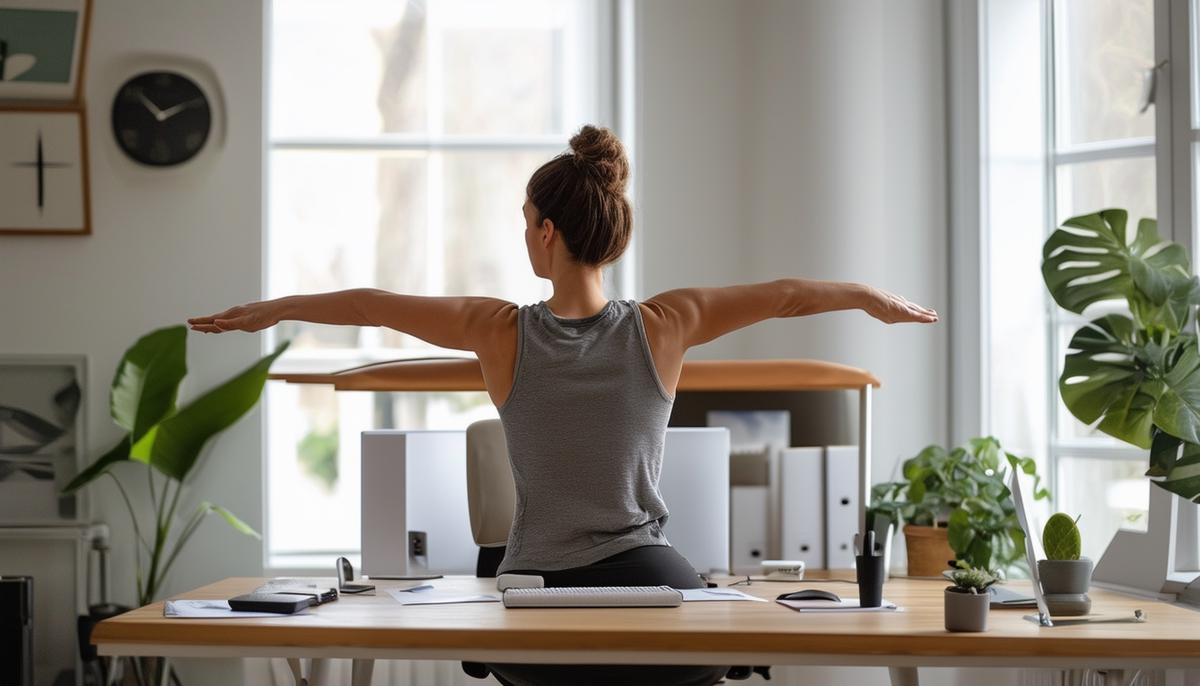
Try these simple exercises you can do right at your desk:
- Leg lifts: Lift both legs off the floor, straighten them, and hold for about 10 seconds. Lower them back to the ground. Do about a dozen reps. This simple action helps activate your core muscles and keeps your lower body engaged.
- Shoulder blade pinches: Push your shoulders back till your shoulder blades pinch towards each other. Hold this position for about 10-15 seconds and release slowly. Repeat a dozen times to help strengthen your upper back and improve your posture.
- Jogging in place: Stand up and jog for 60 seconds. Lift your knees high to get the full benefit without needing a treadmill. It's a quick way to get your heart rate up and improve cardiovascular health.
- Facial muscle workouts: Start with a big, broad smile. Push the fingertips of each hand into the folds between your nose and lips. Use your cheek muscles to push up while resisting with your fingers. This move helps maintain muscle tone and gives your face a fresh, healthy look.
- Planking: Move your chair aside and hold a plank position for about 30-60 seconds. This engages multiple muscle groups, including your core, back, and shoulders. It's a great way to start your day with energy.
- Stationery curls: Use a large stapler or a full water bottle. Hold the object with your arm parallel to your thigh and curl it toward your chest. Do a set of 12 reps on each arm to keep your biceps engaged even while seated.
Space-Sensitive Workouts
For those with limited space at home, there are numerous activities that can be seamlessly integrated into daily routines:
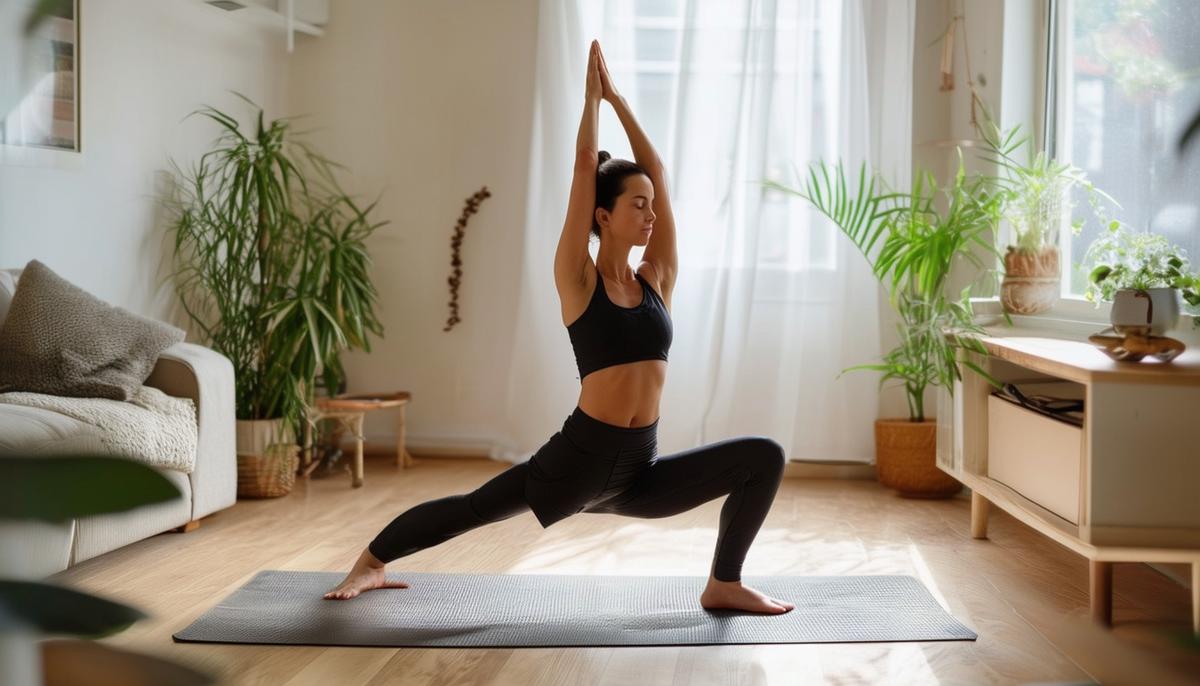
- Online Yoga Classes: Roll out a yoga mat in your living room or bedroom and follow along with an instructor. Yoga enhances flexibility and strength while providing a calming effect.
- Couple's Yoga: If you live with a partner, couple's yoga can be a fun way to stay active together. These poses build trust and enhance communication while getting a good stretch.
- Dancing: Turn up your favorite tunes and dance. It's an excellent cardiovascular workout that boosts your mood and energy levels without needing much space.
- App-Guided Workouts: Many fitness apps offer guided workouts for small spaces. The 7-Minute Workout app, for instance, provides short, high-intensity sessions that target different muscle groups.
- Spin Bikes: If you have a bit of room, consider investing in a spin bike. It provides an excellent cardiovascular workout and takes up relatively little space.
- Kid-Friendly Exercise Videos: Involve your kids in your fitness routine with exercise videos designed for children. These fun videos often include simple movements that can be done in a small space.
- Trampoline Workouts: A small trampoline, or rebounder, improves cardiovascular health and lymphatic circulation while being gentle on the joints.
- Jump Rope Exercises: Jump rope routines are perfect for tight spaces and provide a great cardiovascular workout. They're inexpensive and easy to store.
Incorporating these exercises into your daily routine can be straightforward. Consider starting your day with a short yoga session or a quick jump rope workout. Break up your day with dance sessions or app-guided workouts during work breaks. In the evenings, involve your family in kid-friendly exercise videos.
Outdoor and Mobile Exercise
Taking your exercise routine outdoors or incorporating more movement throughout your day benefits both physical health and mental well-being. Here's how you can integrate outdoor and mobile exercises into your work-from-home schedule:
- Walking to school with your children: This builds in a guaranteed chunk of exercise and provides valuable bonding time. If you don't have school-age children, consider taking a brisk morning walk before logging in to work.
- Jogging to nearby shops: Turn mundane errands into an opportunity for fitness. Jog to do your quick grocery runs or pick up small items.
- Holding walking meetings: For phone calls or meetings, suggest making some of them walking meetings. Use a hands-free headset and walk around your house, in your backyard, or in a nearby park.
Tips to integrate these exercises into your daily routine:
- Schedule It: Treat walking breaks and jogs as non-negotiable appointments.
- Leverage Lunch Breaks: Use your lunch break to get outside. A 20-30 minute walk post-lunch can aid digestion and refocus your energy.
- Micro Workouts: Opt for 5-10 minute walks or stretching sessions outdoors if time is tight.
- Desk Adjacent Workouts: Use a portable desk setup to work from different locations, such as your balcony or porch.
- Family Fitness Time: Involve your family in evening walks, weekend hikes, or garden games.
- Mindful Breathing: Incorporate deep breathing exercises during your outdoor activities.
- Multiple Breaks: Split your outdoor activity into multiple short breaks throughout the day.
Outdoor and mobile exercises can significantly reduce stress levels, enhance creativity, and improve cardiovascular health. The change of scenery can invigorate your mind, breaking the monotony of a sedentary work style and sparking new ideas.
"Just a 20-minute walk in nature can significantly lower stress hormone levels," according to a study published in the journal Frontiers in Psychology.1

Additional Tips for Staying Active at Home
Wearing workout clothes during the workday can boost motivation and increase the likelihood of engaging in physical activity. This simple act eliminates the excuse of needing to change, making it easier to use free moments for quick stretches or brief exercise sessions.
Setting alarms for periodic stretching is an effective strategy, especially during long periods of sedentary work. These reminders can help relieve muscle stiffness and improve circulation. For example:
- Set an hourly alarm to stand up
- Stretch your back
- Roll your shoulders
- Flex your wrists
Regular stretching breaks can enhance comfort and prevent issues like back pain or carpal tunnel syndrome.
Standing during phone calls adds physical activity to your day and helps maintain alertness. You can even walk around your home while on calls, if it doesn't interfere with the conversation. This practice integrates more steps into your routine and can improve focus.
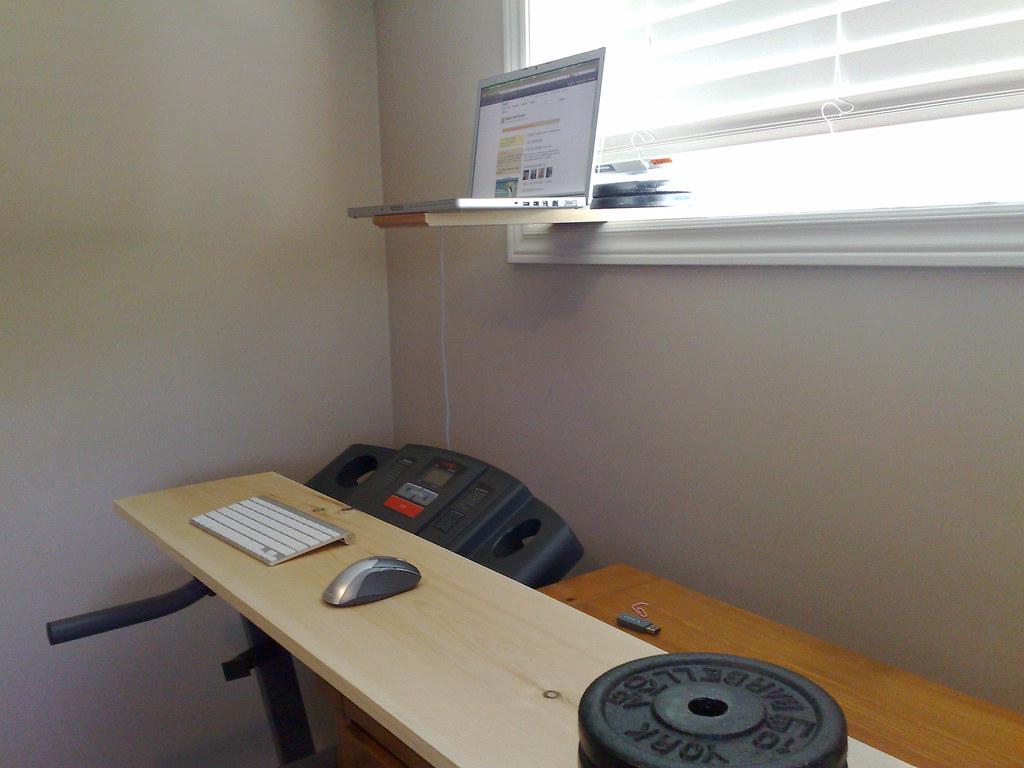
Innovative furniture like standing desks and treadmill desks can promote a more active lifestyle. Standing desks allow alternating between sitting and standing, reducing the negative health effects of prolonged sitting. Treadmill desks enable slow walking while performing tasks like typing or reading emails. A sit-stand desk riser is a budget-friendly alternative to a fully adjustable standing desk.
Small equipment such as resistance bands or hand weights can enhance your at-home fitness routine. Keep them nearby and use them during short breaks for exercises like:
- Bicep curls
- Tricep extensions
- Seated rows
Numerous online resources demonstrate how to use these tools effectively.
Standing during virtual meetings can be beneficial. Even with limited movement, simply standing can change your body's position and alleviate the monotony of sitting. This small adjustment can impact your energy and focus levels.
Organizing informal "walking" video calls with colleagues is another creative idea. Switch to voice-only mode and walk around your house or garden while discussing work. This approach can enhance collaboration and stimulate creative thinking while keeping you physically active.
Rearranging your home office to encourage natural movement can be effective. Place frequently used items a few steps away from your main workspace. This setup promotes regular movement, integrating additional steps into your routine without requiring dedicated exercise time.
Utilize technology to stay motivated and track progress. Fitness trackers and apps can remind you to move, log your activity, and provide workout suggestions based on your goals and preferences. These tools can serve as accountability partners, helping you maintain your fitness efforts.
"Spend a few minutes outside daily, doing anything from stretching to mini-workouts. The change of scenery can invigorate your mind and body, boosting overall well-being."
Lastly, leverage outdoor spaces like balconies, backyards, or nearby parks for fresh air and mental breaks. The change of scenery can invigorate your mind and body, boosting overall well-being.
Incorporating these changes into your work-from-home routine can lead to a more dynamic and health-conscious lifestyle. By integrating these exercises and strategies, you can maintain your fitness levels, enhance creativity, and improve overall well-being. Embracing these adjustments can create a balanced life that supports both professional demands and personal health.