When remote work first exploded a few years ago, a lot of people thought it was a temporary fix. A bridge across uncertain times. But here we are in 2025, and that “bridge” has turned into a six-lane highway. Companies aren’t just experimenting with work-from-home anymore, some are going all in.
So if you’re job hunting and want something that lasts longer than a three-month contract, it helps to know which industries are actually committing to remote work for the long haul. Some have embraced it fully. Others? Not quite there yet.
Let’s see where the real opportunities are showing up – and why.

Tech: Still King of the Remote World
If there’s one industry that never even blinked at going remote, it’s tech. In fact, many tech companies were remote-first long before it was trendy.
From software engineers to UX designers to IT security pros, this field was built for asynchronous work. With tools like GitHub, Jira, and Slack doing the heavy lifting, entire teams can collaborate from anywhere in the world.
And it’s not just the startups anymore. Giants like GitLab, Zapier, Automattic, and even sections of Google and Microsoft are hiring for fully remote roles across every time zone.
Why it works:
- Most tasks are digital by nature.
- Teams are used to project-based workflows.
- Communication tools have replaced in-office hand-holding.
If you’ve got tech skills—or you’re open to learning them—this industry is your best bet for long-term remote stability.
Customer Support
It’s not flashy. It’s not buzzy. But customer support is quietly holding down a massive slice of the remote job market.
Companies like Roadie, ModSquad, Working Solutions, and Liveops continue to expand remote support roles ranging from basic troubleshooting to specialized bilingual support. Many offer flexible scheduling and independent contractor models, which is great if you’re looking for something part-time or more on your terms.
Why it’s thriving remotely:
- Call routing software makes location irrelevant.
- 24/7 service models benefit from global remote teams.
- Lower overhead = higher hiring volume.
These jobs tend to prioritize people skills and basic tech knowledge—no advanced degrees required. And with some roles starting at $17–$25/hour, it’s a solid way to get into remote work fast.
From Classrooms to Cloud-Based Learning
Think teaching only happens in classrooms? Think again.
The remote education boom isn’t slowing down. Platforms like Study.com, Outschool, and Varsity Tutors have created a wide-open lane for online instructors, lesson writers, curriculum designers, and virtual tutors.
And here’s the kicker: many of these positions don’t even require a teaching certificate. Subject expertise and solid writing or communication skills often go just as far.
Where remote education is growing:
- K–12 enrichment (e.g., coding, languages, writing)
- College-level support and exam prep
- Professional development and continuing education
If you’ve got a strong academic background or just love explaining things clearly, remote education might be your thing.
Healthcare Admin
Healthcare might sound like an in-person field, but not every role involves scrubs and stethoscopes.
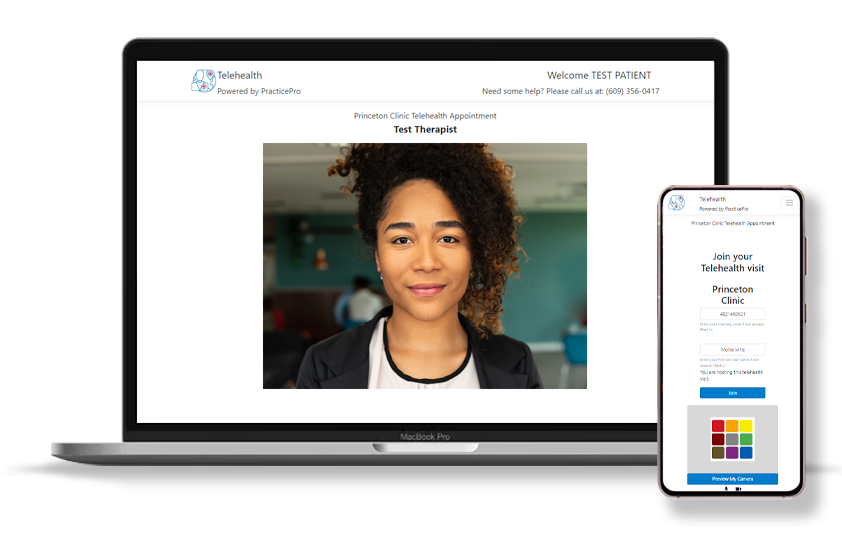
A huge slice of the industry—especially in medical billing, telehealth support, insurance processing, and claims analytics—has shifted to remote-first models.
Companies like CVS Health, Cigna, UnitedHealth Group, and a long list of telehealth startups are hiring for these roles as they invest more in virtual care.
Why it’s working:
- Digital health records are now the norm.
- HIPAA-compliant tools allow secure work-from-home environments.
- A growing push for cost-efficiency means less brick-and-mortar overhead.
If you’re detail-oriented, okay with systems work, and want to be part of healthcare without clinical duties, this could be a great fit.
Industries Testing Remote Waters
Not every field is fully remote yet—but some are getting closer. Here’s who’s warming up to the idea:
Finance & Accounting
Many bookkeeping, tax prep, and auditing roles have gone remote, especially during peak seasons. Firms like Intuit and Bench have built entire remote teams—but some traditional firms still lean hybrid.
Marketing & Creative
Freelancers in writing, design, and SEO have thrived remotely for years. Agencies are more flexible now, but some in-house teams prefer on-site collaboration. Still, lots of fully remote roles exist if you know where to look.
Legal & Compliance
Document review, policy writing, and contract drafting are being handled offsite more than ever. But some client-facing and court-required roles still tether legal pros to physical offices.
Why Some Industries Go Remote—and Others Don’t
So what separates the remote-forward from the stuck-in-the-office crowd?
It often comes down to:
- Workflow digitization: If everything can be done in the cloud, why keep people on-site?
- Cost savings: Remote work cuts real estate and overhead costs.
- Culture shift: Some leadership teams get remote life. Others? Not so much.
- Regulatory needs: Some industries (like finance or legal) are more tightly controlled, limiting what can move off-premises.
Bottom line: remote work thrives where flexibility meets tech infrastructure. Where it doesn’t, change is slower—but still coming.
What This Means If You’re Job Hunting in 2025
If you’re aiming for a long-term remote career, look to sectors that already operate like the office is optional.
Here’s how to set yourself up:
- Focus your search on roles in tech, support, education, or healthcare admin.
- Upgrade your toolkit with platforms like Zoom, Notion, Slack, and Google Workspace.
- Watch for remote red flags (e.g., vague policies, no time zone details, “remote for now” language).
- Highlight your async communication and self-management skills on your resume.
The job titles may change, but the mindset stays the same: proactive, independent, and digitally fluent wins every time.

If you’ve ever felt like working from home was a luxury – like something temporary or “nice to have” – it’s time to rethink that.
Remote work is no longer the outlier. In many industries, it’s the default. The systems are in place, the companies are onboard, and the jobs are out there. You just have to know where to look – and now, you do.
Want more daily leads in these industries? Head back to the homepage for our latest listings.
Resources & Further Reading
- FlexJobs. Top 100 Remote Companies to Watch in 2025
- U.S. Bureau of Labor Statistics. Occupational Outlook Handbook, 2024–2025
- Gartner. Future of Work Trends Report, 2025 Edition
- Remote.co. State of Remote Work 2025
- Forbes. Remote Work Is Here to Stay – Here’s What It Means by Industry