Freelance and remote work are often mentioned together, but they have distinct differences that can impact your career choice. Understanding these differences can help you decide which path aligns best with your professional goals and personal lifestyle.
Defining Freelance and Remote Work
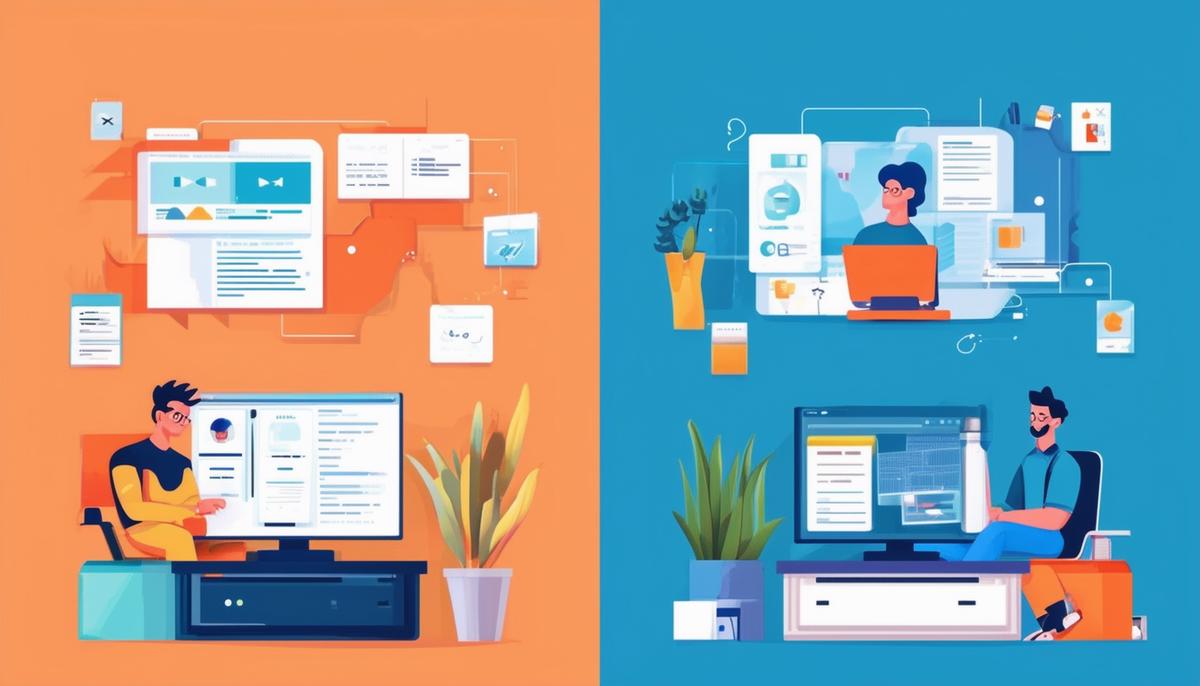
Freelance and remote work are different career paths, each with unique characteristics. Freelancers are self-employed professionals who work on multiple projects for various clients. Remote workers, on the other hand, are full-time employees of a specific company who work from a location outside the traditional office.
Key differences include:
- Contract duration: Remote workers typically have long-term, often permanent employment contracts. Freelancers usually work on shorter-term projects, lasting from weeks to months.
- Work location: Freelancers may work from anywhere, including on-site with clients when necessary. Remote workers have the flexibility to work from home, cafes, or anywhere with a reliable internet connection.
- Skills required: Freelancers need expertise in their field and business skills like contract negotiation and client management. Remote workers need strong communication skills and self-discipline to manage their time effectively without direct supervision.
In essence, freelancers operate as entrepreneurs, choosing their projects and managing their own schedules. Remote workers enjoy the stability and benefits of traditional employment while benefiting from the flexibility of working from home.
Advantages and Disadvantages
Remote work and freelancing each offer unique benefits and challenges. Understanding these can help you make an informed decision about which path suits you best.
| Remote Work | Freelancing |
|---|---|
|
|
| Potential for isolation | Less job security, unpredictable income |
Both paths can lead to fulfilling careers, but they involve different trade-offs. Remote work provides stability and routine, while freelancing offers more autonomy and potential for higher earnings, but with increased financial uncertainty. Consider your values and long-term goals when choosing between these options.

Work-Life Balance and Productivity
Maintaining a healthy work-life balance is crucial for both remote workers and freelancers. Here are some strategies to achieve balance and productivity:
For Remote Workers:
- Set clear boundaries between work and personal time
- Designate a specific workspace in your home
- Stick to regular work hours
- Use task lists and project management tools
- Take regular breaks and engage in virtual team activities
For Freelancers:
- Establish a structured day with dedicated work periods and breaks
- Set consistent "office hours" to manage client expectations
- Create a buffer to cover expenses during lean periods
- Diversify your client base
- Continuously market your services
Both remote workers and freelancers can benefit from stress management techniques like mindfulness practices or deep-breathing exercises. Building a support network through online forums, webinars, and social media groups can provide valuable connections and emotional support.
By implementing these strategies, both remote workers and freelancers can achieve a balanced life while maintaining high productivity. The key is to create a work environment and schedule that aligns with your personal values and professional goals.

Selecting the Right Path for You
Choosing between freelancing and remote work depends on your individual motivations and circumstances. Consider the following factors:
- Personal motivations: Do you prefer stability and structure, or freedom and variety?
- Skills and experience: Assess your marketable skills and how they align with remote positions or freelance opportunities.
- Financial stability: Remote work offers a predictable income, while freelancing can be more volatile but potentially more lucrative.
- Support systems: Consider your professional and personal networks, which can be valuable for both paths.
- Work style preferences: Reflect on whether you thrive in a collaborative team environment or prefer working independently.
When transitioning to either path, prepare accordingly. For remote work, set up a dedicated workspace with reliable technology. For freelancing, build a strong portfolio and establish your online presence.
"The future of work is about choice, flexibility, and autonomy."1
Create routines that support your productivity and well-being. Remote workers should maintain a structured schedule and regular check-ins with their team. Freelancers should develop an effective project management system and set clear goals and deadlines.
By carefully evaluating these factors, you can select the path that best aligns with your personal and professional aspirations. Embrace the journey with optimism and a proactive mindset to create a fulfilling and flexible career.

Choosing between freelancing and remote work depends on your priorities and values. Aligning your choice with your personal goals will lead to greater satisfaction and success in your career.
- Gratton L, Scott A. The 100-Year Life: Living and Working in an Age of Longevity. Bloomsbury Information; 2016.