The Rise of Hybrid Work Models
Hybrid work is gaining popularity, blending on-site and remote setups. Recent surveys show many employees favor this model. Research from Owl Labs indicates 62% of workers prefer hybrid arrangements, while about 70% of U.S. employers plan to adopt hybrid models by the end of 20241.
Balancing Communication and Collaboration
Hybrid work presents communication challenges. Tools like Slack, Microsoft Teams, and Zoom can bridge the gap between office and remote workers, supporting both real-time and asynchronous communication.
Flexibility and Work-Life Balance
Hybrid work offers flexibility, allowing employees to save commute time and spend more time with family or on hobbies. FlexJobs studies suggest 68% of employees believe hybrid roles improve their well-being2.
Challenges to Overcome
Ensuring employee cohesion and preventing isolation are key challenges. Regular check-ins and virtual hangouts can improve team bonding. Buffer reports that 23% of remote workers feel lonely, highlighting the need for intentional community-building efforts3.
Technology and Cybersecurity
As hybrid work grows, robust cybersecurity becomes crucial. Companies must strengthen security measures like zero trust, multi-factor authentication, and VPNs. A Zipdo study found that 91% of cybersecurity professionals see remote work as increasing security risks4.
Adapting Office Spaces
Businesses may need to redesign office layouts, focusing on collaborative spaces for meetings, brainstorming, and team-building activities.
Employee Well-being and Support
Supporting employee well-being is essential. Companies should invest in wellness programs and mental health resources. Carlos Escoboar, a licensed mental health counselor, recommends tools like resilience training and responsive communication to help hybrid workers manage stress.
Upskilling Opportunities
Companies should offer skill development programs, focusing on new technologies and AI. Axonify research shows 94% of workers would stay longer if their companies provided continuous training5.
Evaluating and Adjusting
Regular evaluation and feedback gathering help ensure the hybrid model remains effective and beneficial for everyone involved.

Impact on Employee Wellbeing
Remote work often improves work-life balance. A FlexJobs survey found that 71% of remote workers feel their work-life balance is better compared to traditional office jobs6. This stems from eliminating daily commutes and better managing personal responsibilities.
Remote work can also lead to higher productivity. Owl Labs reports that remote employees are:
- 22% happier in their jobs
- 45% more productive than office-based workers
Increased autonomy and the ability to design a conducive work environment contribute to this improvement.
However, remote work has its challenges, particularly around mental health. Digital burnout is a growing concern, with Buffer's State of Remote Work report showing 69% of remote workers experiencing burnout symptoms7. The constant connectivity and blurred lines between work and personal time can lead to exhaustion.
Isolation is another significant issue. Eurofound reported that 20% of remote workers feel isolated, which can lead to emotional and psychological distress8.
To address these challenges, companies should:
- Encourage breaks and establish clear work-life boundaries.
- Schedule virtual social interactions to maintain a sense of community.
- Provide guidelines for setting up ergonomic home workspaces.
- Offer access to mental health resources and wellness programs.
- Regularly gather feedback about the remote work experience.
- Train managers to support remote teams effectively, including recognizing signs of burnout and isolation.
By actively supporting their remote teams, companies can foster a healthier, more productive, and more satisfied workforce.

Advancements in Remote Work Technology
Remote work technology has evolved significantly, reshaping how we connect, collaborate, and perform tasks. Artificial Intelligence (AI) is at the forefront of this transformation, streamlining tasks and enhancing productivity. AI-driven tools can schedule meetings, analyze data, and assist in project management, allowing employees to focus on higher-value tasks.
Virtual Reality (VR) and Augmented Reality (AR) are creating immersive virtual environments for more interactive communication. These technologies can simulate a sense of presence that goes beyond video calls, particularly beneficial for brainstorming sessions and collaborative projects.
Collaboration platforms like Slack, Microsoft Teams, and Zoom continue to evolve, integrating features to support both synchronous and asynchronous communication. Real-time document editing, task management integration, and whiteboard features enable effective collaboration across geographical barriers.
Future Trends
- Further advancements in AI, making virtual assistants more intuitive and capable of handling complex tasks.
- VR and AR becoming more mainstream, with more affordable devices enabling richer virtual collaboration experiences.
- 5G technology enhancing connectivity, reducing latency and allowing for smoother remote work experiences.
- Significant advancements in cybersecurity, with AI and blockchain technologies playing pivotal roles in protecting sensitive information and maintaining trust.
As these technologies integrate further into the remote work landscape, they will ease communication and open new avenues for innovation and productivity. Embracing these advancements will prepare businesses for the increasingly dynamic and interconnected workspaces of tomorrow.
Cybersecurity in Remote Work
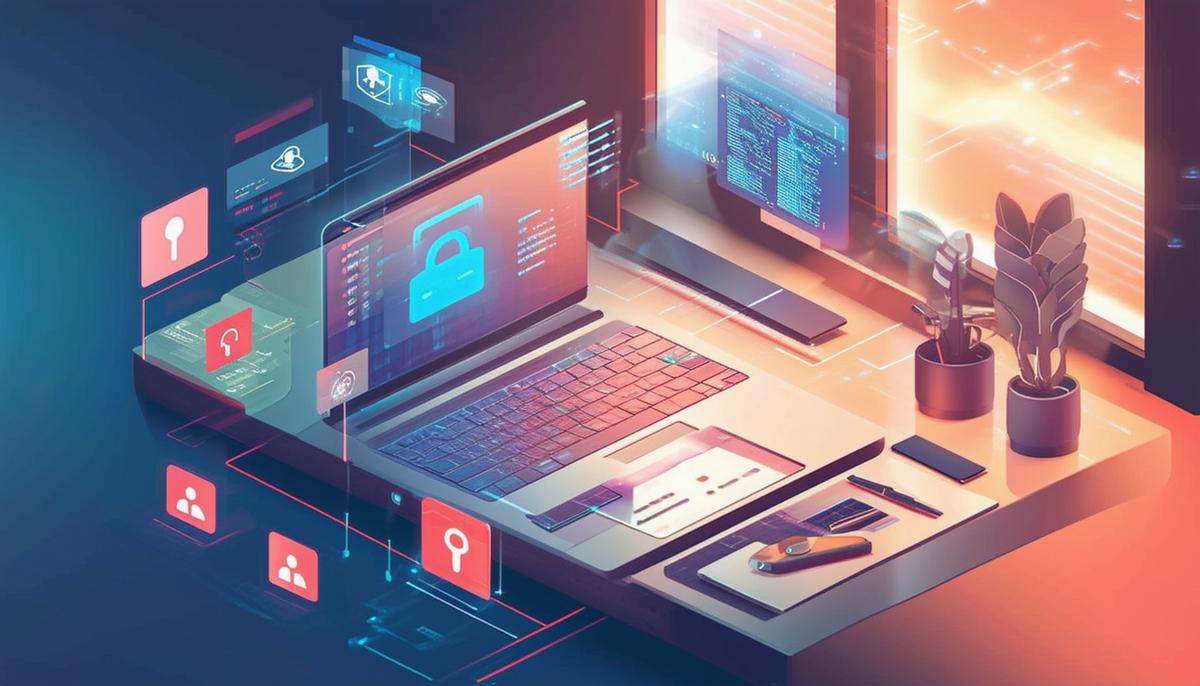
The shift to remote work has exposed companies to new security challenges, making strong cybersecurity measures essential. A Zipdo study reported a nearly 40% increase in cyber attacks aimed at remote and hybrid workers globally in the last year9.
Personal devices and unsecured home networks are significant weak points, often lacking the sophisticated security protocols found in corporate infrastructures.
Essential Cybersecurity Measures
- Zero Trust Architecture: Thoroughly vetting every access request before granting permission.
- Multi-Factor Authentication (MFA): Requiring multiple forms of verification to reduce unauthorized access.
- Virtual Private Networks (VPNs): Encrypting internet connections to protect data from potential eavesdroppers.
- Endpoint Security: Installing antivirus software, firewalls, and intrusion detection systems on all work devices.
- Regular Security Training: Educating employees on the latest cybersecurity threats and best practices.
- Data Encryption: Ensuring all sensitive data is encrypted both in transit and at rest.
- Automated Threat Detection: Using AI and machine learning to identify and respond to threats in real time.
- Access Controls: Implementing strict controls to ensure employees only access information necessary for their roles.
Adopting these practices not only protects sensitive data but also builds trust with clients and employees. Companies should continuously review and update their cybersecurity policies to keep up with evolving threats and technological advancements.
"By implementing advanced security measures and fostering a culture of cybersecurity awareness, companies can create a secure and resilient remote work environment, safeguarding their valuable assets and information."
- Owl Labs. State of Remote Work 2021. Owl Labs; 2021.
- FlexJobs. FlexJobs Survey: Productivity, Work-Life Balance Improves During Pandemic. FlexJobs; 2020.
- Buffer. State of Remote Work 2021. Buffer; 2021.
- Zipdo. The State of Remote Work Security 2021. Zipdo; 2021.
- Axonify. State of Workplace Training Study. Axonify; 2020.
- FlexJobs. Survey: Productivity, Work-Life Balance Improves During Pandemic. FlexJobs; 2020.
- Buffer. State of Remote Work 2021. Buffer; 2021.
- Eurofound. Living, working and COVID-19. Eurofound; 2020.
- Zipdo. The State of Remote Work Security 2021. Zipdo; 2021.